







 TrendForce Senior Research Manager Duff Lu’s past project

拓墣深度報告 x 洞見產業商機
為您提供專業產業調研,從綠能科技、儲能到能源管理
專業深度報告,讓您掌握永續能源關鍵策略、布局減碳商機


As AI computing power demand skyrockets, the energy consumption of next-gen GPU chips is surging, pushing AI
infrastructure to its physical heat limits. To tackle this challenge, AI systems are shifting from
traditional air cooling to the more advanced liquid cooling, and from electrical transmission to
cutting-edge optical transmission. This marks an exciting and crucial period of innovation!
Discover the three core drivers revolutionizing AI infrastructure: power systems (PSU, HVDC, and BBU) that
optimize energy efficiency; liquid cooling technology that enables chips to surpass their existing thermal
limits; and silicon photonics that unlocks high-speed transmission for AI clusters. These groundbreaking
advancements are attracting significant global investments, becoming strategic priorities for supply-chain
leaders, and shaping the future landscape of the market for computing power.
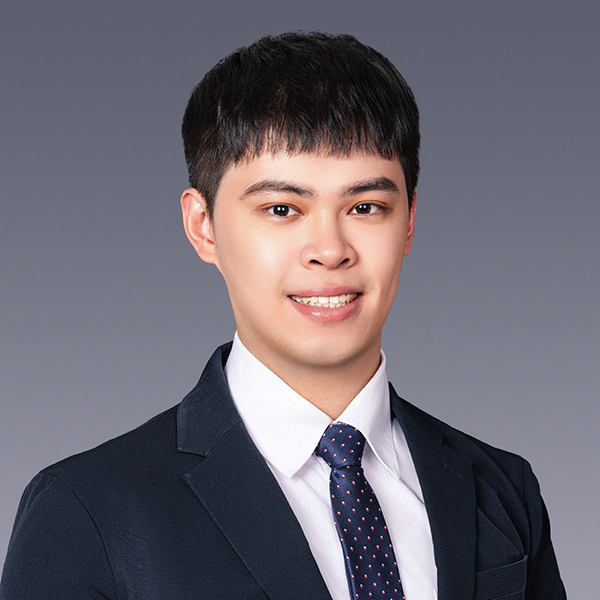
Randy Yang
TrendForce AnalystTopicTracking the AI Server & Data Center Power Supply ChainPower Systems
[ Agenda outline ]
Driven by soaring AI chip TDP, NVIDIA’s roadmap indicates a leap in rack power density—from 150KW (GB300) to over 600KW (Rubin Ultra). This surge necessitates a structural shift to HVDC, fueling both specification upgrades and volume growth for PSUs, BBUs, and related components. Beyond our deep dive into power electronics, this report expands coverage to include infrastructure, monitoring the data center deployment of major US CSPs. From micro-level technical shifts to macro-level market expansion, to help clients quickly grasp key dynamics in the AIDC power market.
[ Speaker Introduction ]
Specializing in macroeconomic analysis, Randy Yang currently focuses on the server industry and its key components, with research spanning data center construction plans, server power supply systems, and related market trends.

Fion Chiu
TrendForce AnalystTopicThe Rise of Liquid Cooling: Driving a New Era in AI Server Thermal ManagementCooling Solutions
[ Agenda outline ]
As power consumption in AI servers continues to rise rapidly, thermal management has become a critical challenge in upgrading AI infrastructure. Liquid cooling is moving from an emerging solution to large-scale deployment, reshaping the supply-chain structure and competitive landscape across the ecosystem. With industry dynamics evolving at an accelerating pace, enterprises planning AI infrastructure investments must gain clear visibility into technology roadmaps, supplier positioning, and production ramp-up timelines to mitigate decision risks and improve capital efficiency.
Our AI Infrastructure Package can provide systematic tracking of liquid-cooling trends, key component supply-demand dynamics, major supplier strategies, and customer adoption trajectories—enabling clients to stay closely aligned with the latest market developments in AI infrastructure.
[ Speaker Introduction ]
With years of experience in equity research within the technology sector, I have developed strong analytical skills and a comprehensive understanding of financial markets and investment strategies to provide valuable recommendations. My current research at TrendForce focuses on the AI server industry, particularly in areas such as HPC/AI chips and thermal solutions. By assessing the performance of relevant companies and analyzing market dynamics, I offer insightful information and a well-rounded view of the rapidly evolving landscape of AI.

Michelle Kao
TrendForce AnalystTopicInterconnects Define Effective ComputeSiPh High-Speed Interconnect
[ Agenda outline ]
In 2026, the bottleneck of AI infrastructure has shifted from the scale of compute to how effectively that compute can be utilized. For this report, the key observation is that the fundamental unit of AI compute is undergoing a structural transition—from servers and single GPU nodes toward rack- and fabric-centric architectures. Within this context, 2026 marks a critical turning point for optical interconnects, implying a redistribution of value across the compute, interconnect, and optics supply chain.
[ Speaker Introduction ]
An industry analyst specializing in the semiconductor and high‑speed interconnect sector, combining capital markets training with systematic industry research methodologies. She analyzes sector trends and corporate competitiveness using financial information, technology roadmaps, and supply chain structure, with a focus on AI data center networking architectures, competitive dynamics in the optical and switching value chain, and emerging CPO/LPO solutions. She delivers industry‑deep, quantitatively grounded decision support for institutional and industry clients.
In the fast-paced world of AI hardware architecture, where massive changes occur every month, static market studies just don't cut it anymore. Enter the AI Infra Bulletin, with its innovative dynamic weighted publication model. Instead of fixed rotations for three main themes, this bulletin prioritizes in-depth analysis of the latest global technological advancements, perfectly aligning with developments at leading cloud service providers (CSPs) every two weeks. Stay ahead of the curve and be in the know with the AI Infra Bulletin!